
FROM THE JOURNAL
Beginning Your Meditation Journey: Preparatory Practices
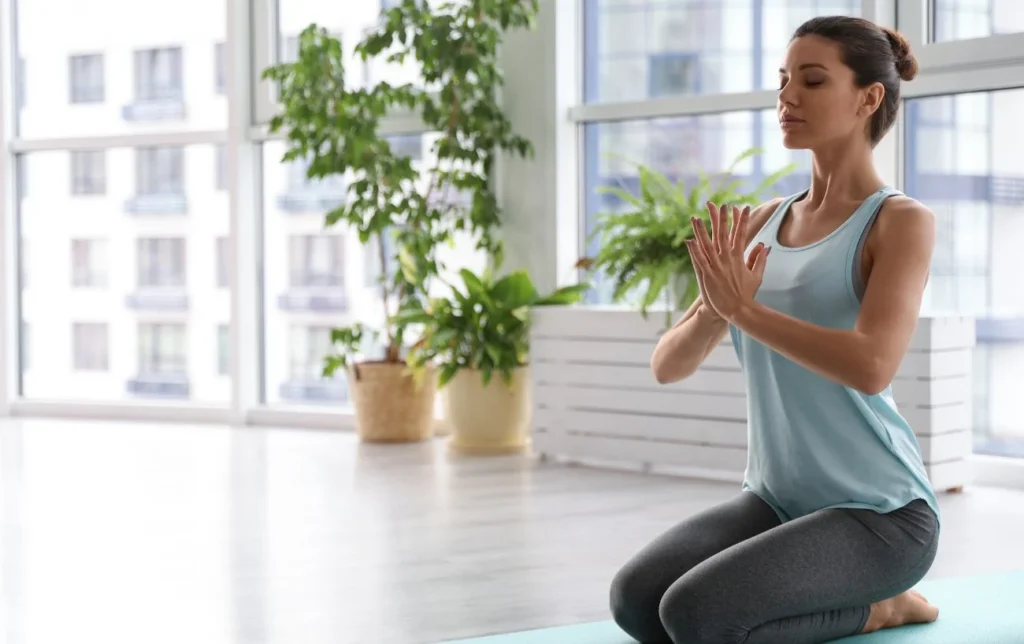
The purpose of preparatory meditation practices is to help us sit still for longer periods without discomfort.
Swami Sivananda of Rishikesh wrote about the relationship between asana and meditation: steadiness in a meditation posture supports a steady mind. In his teaching, mastery of asana lays the foundation for deeper pranayama and dhyana, and a stable posture makes it easier to direct the mind towards a single point. He described this inward experience as atmic anandam, a profound sense of peace and inner bliss.
Asanas before meditation
The following selected practices from the Pawanmuktasana series can help prepare the body for meditation postures. The original practice suggests fifteen to twenty gentle repetitions:
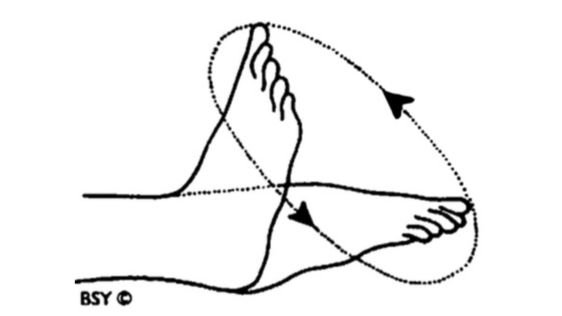
- Goolf chakra: ankle rotation.
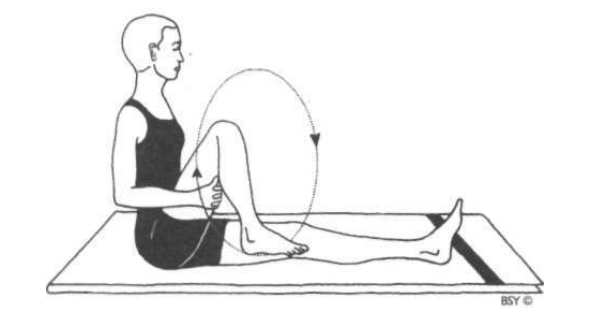
- Janu chakra: knee crank.
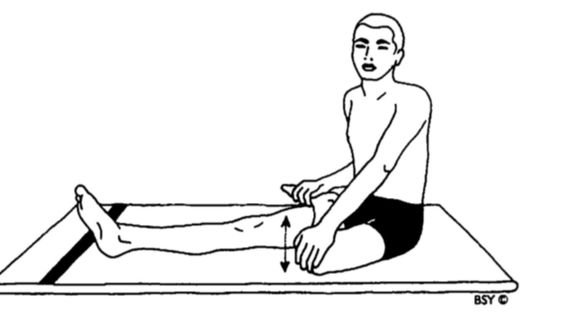
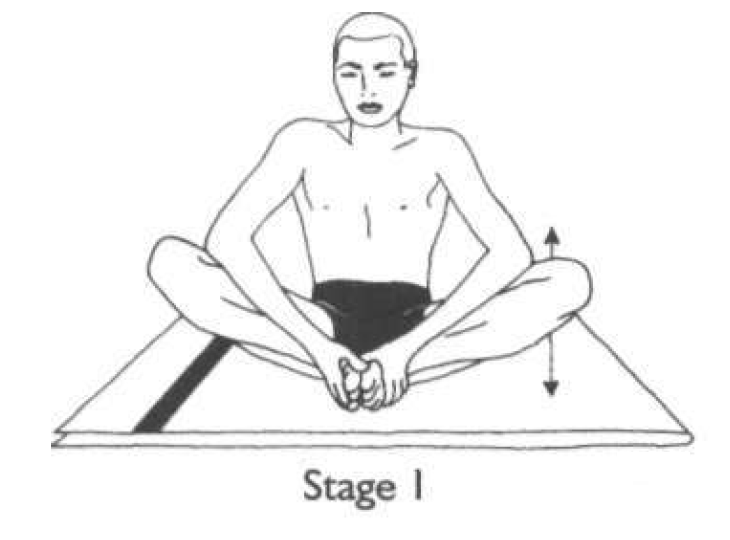
- Ardha titali asana: half butterfly.
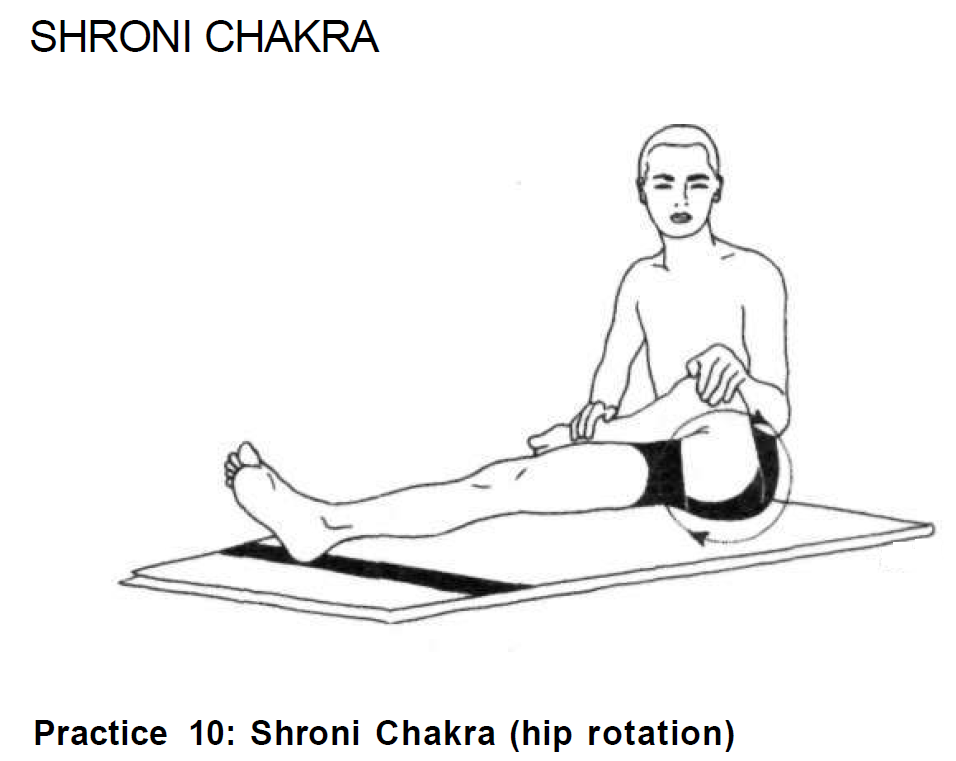
- Shroni chakra: hip rotation.
- Poorna titali: butterfly.
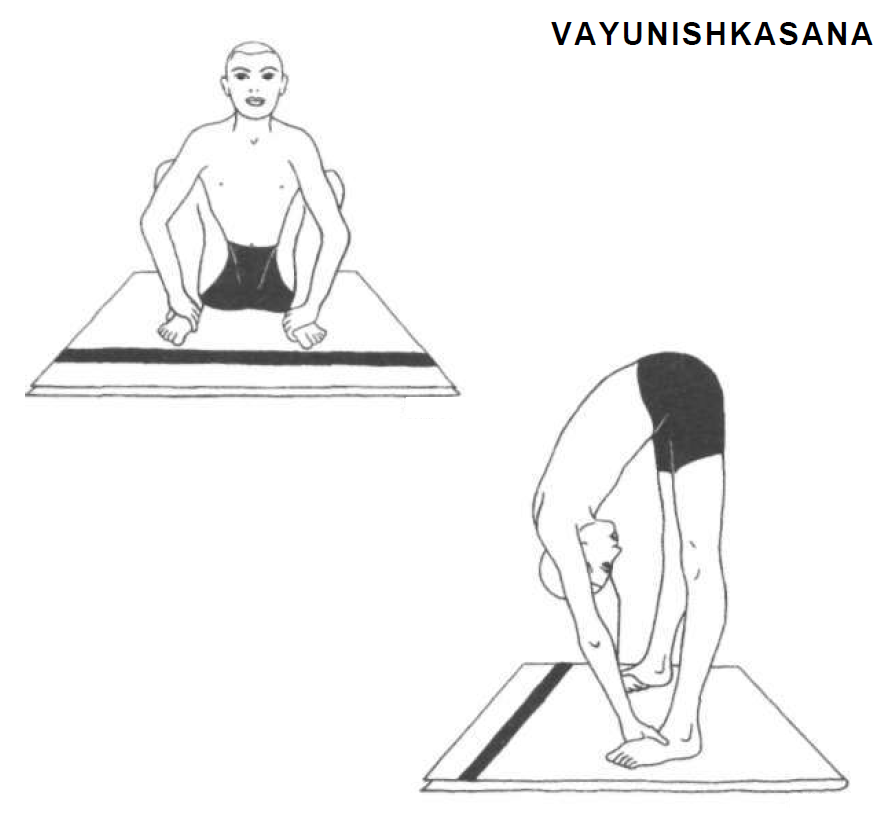
- Vayunishkasana: wind-releasing pose.
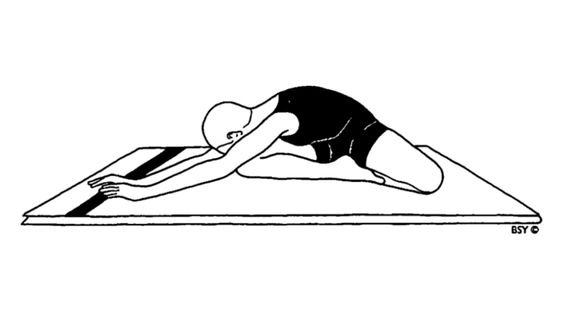
- Udarakarshanasana: abdominal stretch.
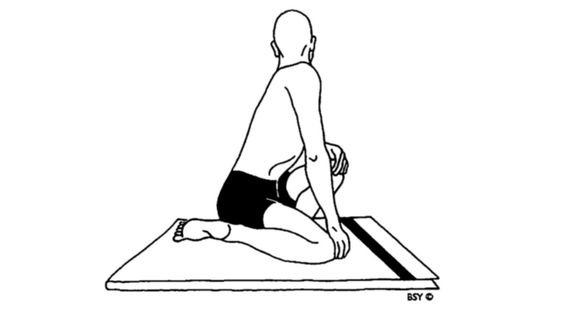
- Shaithaly asana: animal relaxation pose.
At first, many people find it difficult to remain in one asana for a long time. Regular practice of these preparatory movements can gradually help the legs and hips become more comfortable in a steady posture.
In the tradition explored here, steadiness and stillness in the body create space for meditation. A comfortably upright spine is important, and the posture should require as little unnecessary effort as possible. Shavasana may invite sleep rather than alertness during a seated meditation practice.
As we close this chapter on preparatory practices, take a deep breath and open your eyes to the possibilities of meditation postures. In the following articles, we explore different positions and their place in our practice, inviting inner peace and a more harmonious relationship with life.
Namaste!
In pictures